Blessed Earth: A Thoughtful Embroidery Font Review
First Impressions: Spring, Serenity, and Serif Sophistication
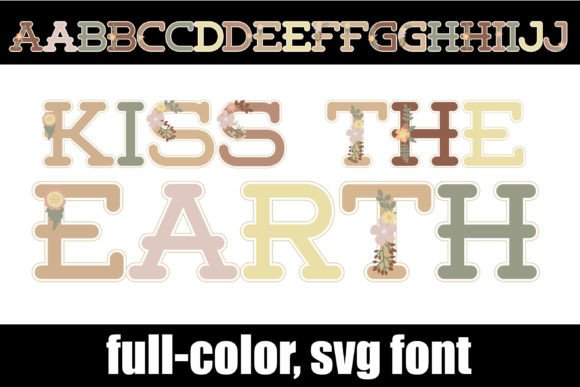
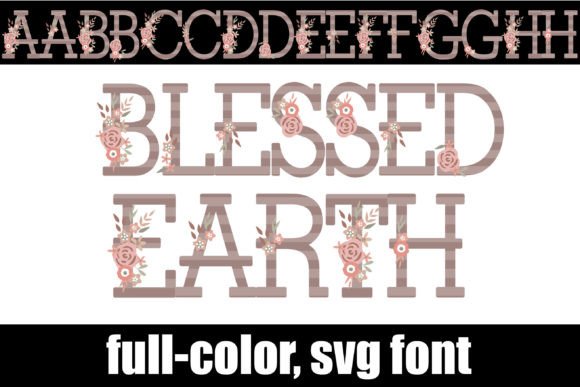
When I opened Blessed Earth for the first time, I didn’t just see a font—I saw a mood. Soft serif lettering, each uppercase character blooming with delicate spring florals, feels intentional and hand-crafted—not digital or generic. The lowercase is clean but still warm; the uppercase has gentle flourishes that suggest celebration without shouting. It’s not overly ornate, but it’s never plain. As a designer who regularly selects embroidery fonts for client projects and my own small shop line, I immediately pictured this on a linen tea towel for a boutique kitchen collection—or stitched onto an organic cotton baby onesie as a quiet, meaningful keepsake.
Where Blessed Earth Truly Shines (and Where It Needs Care)
I tested Blessed Earth in a real-world scenario: embroidering a custom tote bag for a local herbalist’s pop-up shop. The bag was medium-weight canvas—ideal texture, stable weave, no stretch. With proper cutaway stabilizer and a medium hoop size, the florals held their shape beautifully. The satin-stitched letter outlines stayed crisp, and the fill-stitched floral details read clearly at 3.5 inches wide. Customers paused to admire the stitching—not just the message, but the *craft* in it. That’s the value of thoughtful design: it elevates the handmade product from “nice” to “notable.”
That said, Blessed Earth isn’t universally forgiving. On thin or stretchy fabric—like lightweight jersey for a baby onesie—I’d recommend simplifying or resizing. The floral accents on uppercase letters add visual charm but also stitch density. Without adequate stabilizer, those areas can pucker or shift. On dark fabric, thread color contrast becomes critical: light pastel greens or creams work well for the florals, but avoid pale yellows unless you’re using high-contrast underlay. And on curved surfaces—like the front of a structured cap—the tight curves of the serifs and floral stems may need manual digitizing adjustments to prevent distortion.
Real Projects, Real Expectations
- Custom apparel: Works elegantly on sweatshirts and relaxed-fit tees—especially when paired with minimal topstitching and natural fibers. Avoid cramming it into narrow chest placements; give it breathing room.
- Baby & nursery items: Perfect for heirloom-style blankets or framed embroidery hoops—but scale down carefully. At under 2 inches tall, some floral details risk becoming indistinct or overly dense.
- Patches & applique designs: While Blessed Earth is a color font (not an applique design), its layered floral elements translate well into embroidered patches if digitized with clear stitch direction and strategic underlay. Just confirm your digitizer understands how to preserve the serif rhythm.
- Holiday & gift embroidery: I’ve used it for Easter-themed kitchen towels and spring baby shower gifts. Its seasonal warmth reads instantly—no extra graphics needed. Buyers consistently comment on the “gentle elegance,” which boosts perceived value and giftability.
- Etsy & small shop branding: As a digital embroidery file, Blessed Earth supports consistent voice across listings—whether you're selling printable mockups, finished embroidered pillows, or editable design assets. Its personality reinforces a brand rooted in nature, care, and craftsmanship.
What This Font Says About Your Finished Product
Using Blessed Earth quietly signals intention. It tells customers you didn’t grab the first script font you found—you chose one with botanical nuance and typographic respect. That matters. In a crowded marketplace of mass-produced digital embroidery files, a font like this helps your handmade product stand out—not because it’s flashy, but because it feels considered. For Etsy sellers and craft fair vendors, that translates directly to trust: buyers assume higher quality, better materials, and attention to detail across your entire shop.
It also affects professionalism in subtle but measurable ways. When clients see Blessed Earth rendered cleanly on a mockup for a boutique apron line, they don’t question whether you understand typography *and* stitch behavior—they assume you do. That builds confidence before the first stitch is even sewn.
Practical Designer Notes Before You Stitch
- Always test Blessed Earth on scrap fabric matching your final project’s weight and stretch—even if it’s “just a font.” Thread tension, stabilizer choice, and needle type all affect how those florals land.
- Check stitch density in the uppercase letters. If your machine hesitates or stitches pile up, consider reducing density slightly or adding a second layer of tear-away stabilizer underneath.
- Review small details in black-and-white mockups. Some floral accents may fade visually on busy or textured backgrounds—even if they stitch fine.
- Compare performance on light vs. dark fabric. The alt case with additional colors offers flexibility, but verify thread color harmony before committing to a full run.
- Confirm licensing terms before selling finished products or digital embroidery files. As a Color Fonts release, usage rights may differ from standard embroidery fonts—especially for commercial embroidery or resale of design assets.
- Use proper stabilizer for your fabric type: cutaway for knits, medium-weight tear-away for stable wovens, and fusible + cutaway for delicate linens.
A Font That Feels Like a Collaboration
Blessed Earth doesn’t dominate a project—it partners with it. It’s the kind of font that makes embroidery feel less like decoration and more like translation: turning quiet intention into visible, tactile meaning. Whether you’re stitching a personalized gift, building a cohesive product line, or refining your craft business’s visual voice, this font earns its place—not because it’s trendy, but because it’s trustworthy, adaptable, and deeply human in execution.
If you’re choosing between dozens of fonts for your next embroidery project, ask yourself: does it reflect the care your customer will feel when they hold the finished product? With Blessed Earth, the answer—thoughtfully, gently—is yes.